












When the temperature rises, many of us enjoy the sunshine. But for older people, hot weather can quickly become more than just uncomfortable, it can be a serious health risk.
In the UK, heatwaves are becoming more common, and summer 2026 is another reminder that extreme heat can affect anyone, especially elderly people, those living alone, and people with existing health conditions.
If you are older yourself, or you are concerned about an elderly parent, grandparent, neighbour or friend, it is important to know how to stay safe in hot weather, what warning signs to watch for, and when to seek help.
Why hot weather can be dangerous for older people?
As we age, our bodies can find it harder to regulate temperature properly. This means older people may not cool down as easily as younger adults. Some long-term health conditions and prescription medications can also increase the risk of dehydration, heat exhaustion, and heatstroke.
Hot weather can be especially risky for people who:
- are aged 65 or over
- live alone
- have heart, lung or kidney conditions
- have dementia or reduced mobility
- take certain medications
- struggle to drink enough fluids
- spend long periods in warm rooms or direct sunlight
How to keep elderly people cool in hot weather?
There are several simple ways to reduce the risk of heat-related illness at home.
-
Encourage regular drinking
One of the most important pieces of heatwave advice for older people is to drink fluids regularly throughout the day. Older adults may not always feel thirsty, even when they need water.
-
Keep the home as cool as possible
During the hottest part of the day, close curtains, blinds and windows in sun-facing rooms. In the early morning or later evening, when temperatures are cooler, open windows to let fresh air in. A fan may help, and some people may benefit from a portable air conditioning unit if their home becomes very warm.

-
Avoid the midday heat
If possible, stay indoors during the hottest hours of the day, usually between 11am and 3pm. If someone does need to go outside, encourage them to stay in the shade, wear a hat, and avoid too much exertion.
-
Wear light, loose clothing
Breathable, loose-fitting clothes in light colours can help the body stay cooler. Natural fabrics such as cotton can feel more comfortable in very hot weather.
-
Cool the skin
A lukewarm shower, cool flannel on the neck, or damp cloths on the wrists and arms can help lower body temperature. Cold drinks and lighter meals can also help someone feel more comfortable.
-
Check in regularly
If you have an elderly parent or relative, a quick phone call or visit during a heatwave can be very important. Ask if they have had enough to drink, whether their home feels too warm, and if they are feeling unwell in any way.
Heat exhaustion symptoms in elderly people
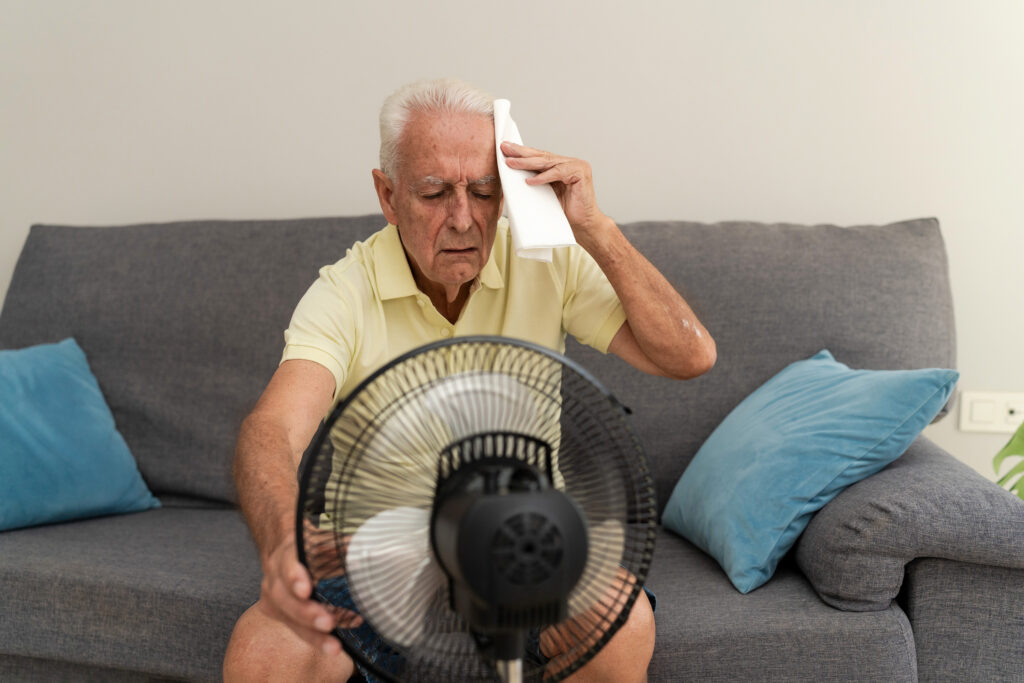
Heat exhaustion happens when the body gets too hot and starts to struggle to cool itself down. It needs to be treated quickly so it does not become more serious.
Common heat exhaustion symptoms include:
- heavy sweating
- weakness or tiredness
- dizziness
- headache
- nausea or vomiting
- muscle cramps
- feeling faint
- fast pulse
- cool, clammy skin
Some older people may not describe these symptoms clearly, so families should also look out for changes such as unusual tiredness, confusion, or being less steady on their feet.
What to do for heat exhaustion
If someone has heat exhaustion:
- move them to a cool place
- help them lie down and rest
- give them water or a rehydration drink
- loosen or remove unnecessary clothing
- cool their skin with a fan, damp towel or cool water
Most people should start to improve within 30 minutes. If they do not improve, or if you are worried, seek medical advice.
Heatstroke is a medical emergency. It happens when the body becomes dangerously overheated and can no longer cool itself down.
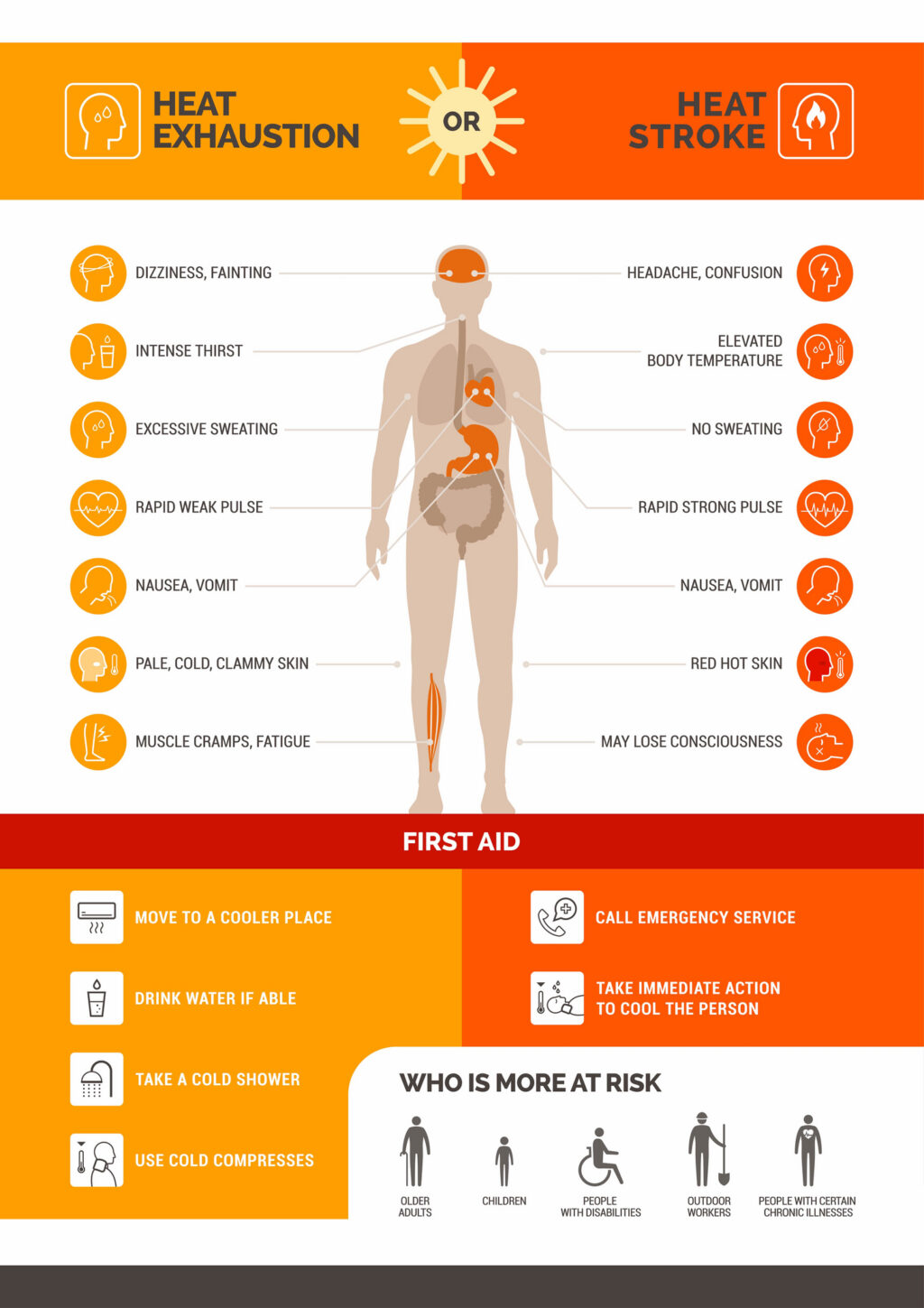
Heatstroke symptoms may include:
- confusion
- unusual behaviour
- severe headache
- hot skin
- very high temperature
- rapid breathing or pulse
- seizures
- collapse
- loss of consciousness
If you think someone has heatstroke, call 999 straight away.
While waiting for help:
- move them somewhere cool
- remove outer clothing
- cool their body with water, damp towels or a fan
- give small sips of water only if they are fully conscious
How a personal alarm can help during a heatwave
For elderly people living alone, hot weather can increase the risk of dizziness, fainting, falls, and sudden illness. This can be especially worrying for adult children who cannot always be there in person.
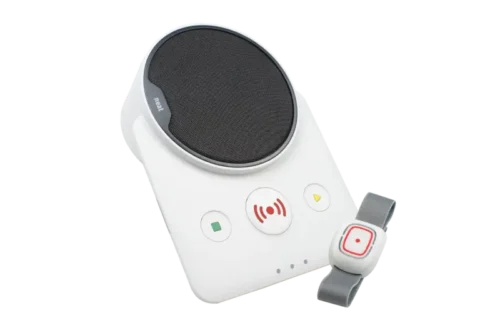
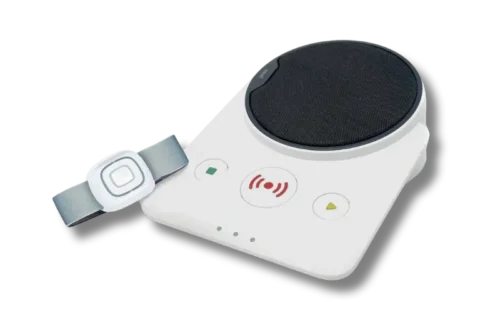
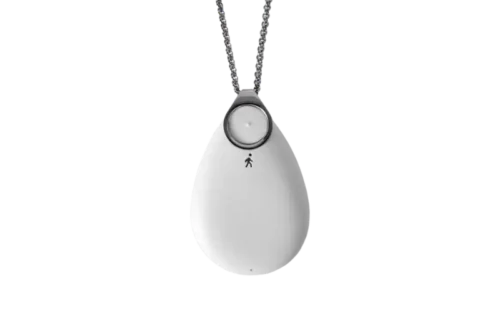
A personal alarm can provide reassurance during a heatwave by making it easy to call for help quickly if something goes wrong.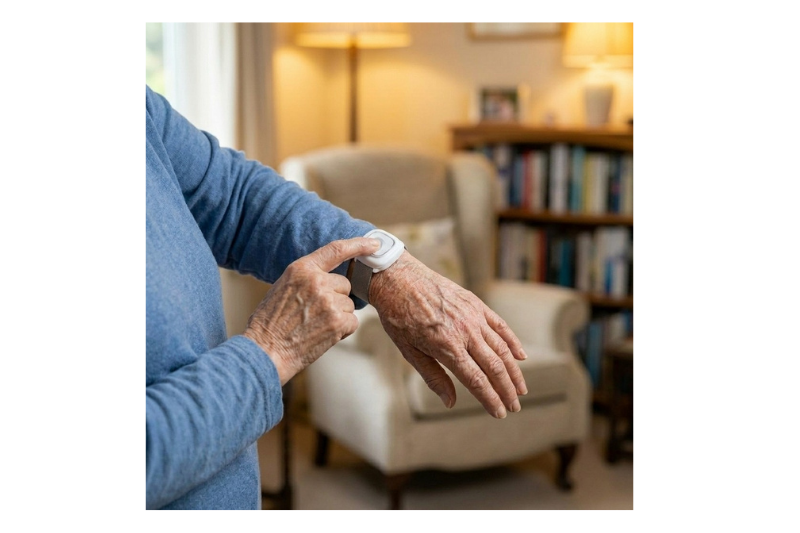
If an older person feels faint, becomes unwell, or has a fall at home, they can raise an alarm immediately and get the support they need. For families, that peace of mind can be invaluable during periods of extreme weather.
Further information on how to cope with a heatwave is found on the NHS Choices Website.