





Post-Traumatic Stress Disorder (PTSD) is a mental illness that can develop after experiencing or witnessing a traumatic event and is common in victims of assault. PTSD can be triggered by a range of experiences, including combat, sexual or physical assault, accidents, or natural disasters.
According to the NHS, PTSD develops in about 1 in 3 people who have experienced severe trauma. This means that more than 33% of those affected will develop PTSD within a year of the triggering event. To add to the anxiety and point to an ongoing cycle of complications, there is further evidence that people who suffer from PTSD are twice as likely to have a heart attack and die within three years. This suggests that if PTSD has developed as a result of a heart attack or stroke, your risk of recurrence increases significantly.
Symptoms of PTSD
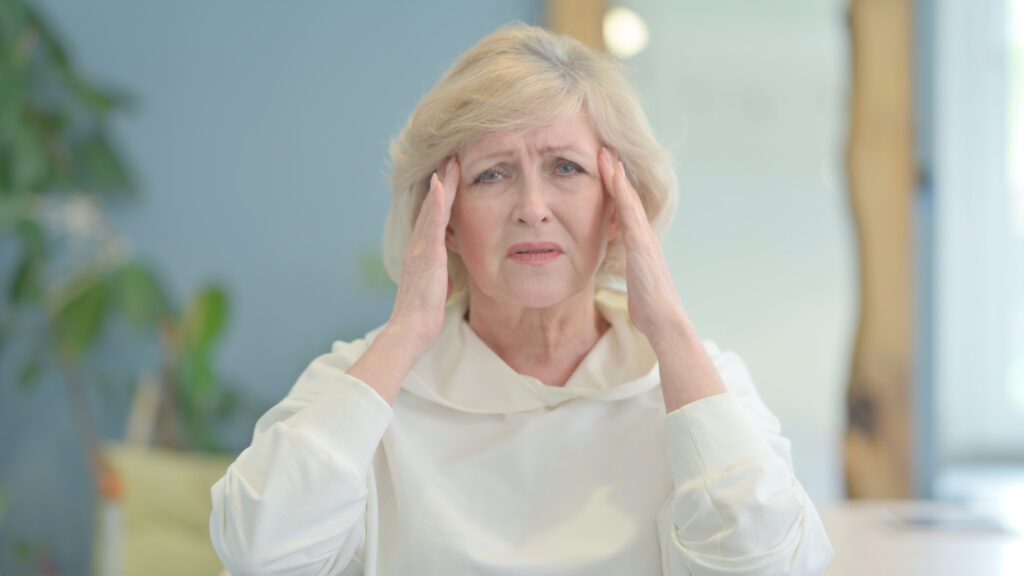
The stress of PTSD can be incredibly overwhelming and interfere with a person’s ability to function in everyday life. Common symptoms of PTSD include flashbacks or intrusive memories of the traumatic event, avoidance of situations that might trigger memories of the event, over-excitement, and negative changes in mood and thinking.
Common symptoms of Post-Traumatic Stress Disorder include:
- High Blood pressure
- Nightmares
- High heart rate
- Avoidance of reminders of the event.
Chronic PTSD is diagnosed when the above symptoms last longer than three months. After a traumatic event, feelings of fear, anger, guilt, and depression are normal. Apparently, scientists have narrowed down the cause to gene Opr11, which changes after a traumatic situation.
However, if these deep-seated feelings continue to surface, we are at risk of post-traumatic stress. It is important to seek help if you’re experiencing symptoms of PTSD. Coping with PTSD can be a very challenging condition to manage, but with the right treatment, many people are able to recover and live fulfilling lives.
Treatments for PTSD
A problem shared is a problem halved. Therefore, talking to a close family member or friend about your feelings can be very helpful in easing them. You may also find it helpful to talk with your GP, who may be able to refer you to a counsellor for some therapy sessions.

Other treatments for PTSD include:
- Trauma based cognitive behavioural therapy
- Family Therapy
- Medication
- EMDR (Eye Movement Desensitisation and Reprocessing)
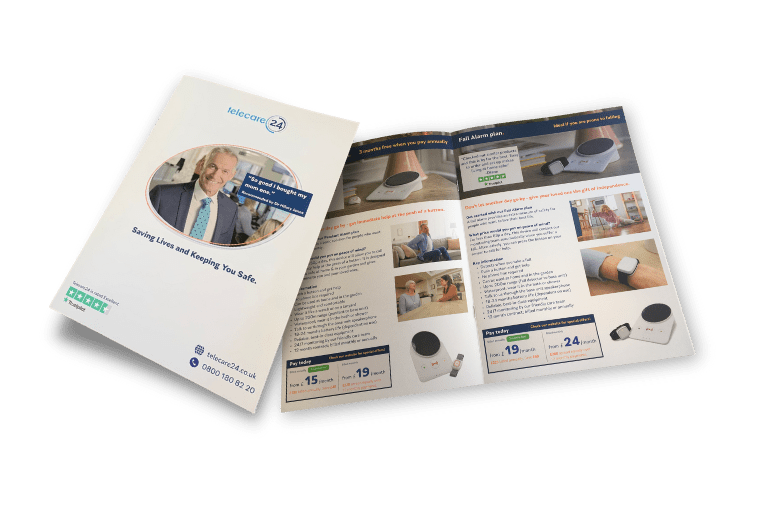
Clearly, seeking assistance after a serious incident in our lives will help massively in preventing further medical complications such as a heart attack or stroke. Many people who have suffered a heart attack or stroke have chosen to use a telecare service to reduce the fear of having another attack.
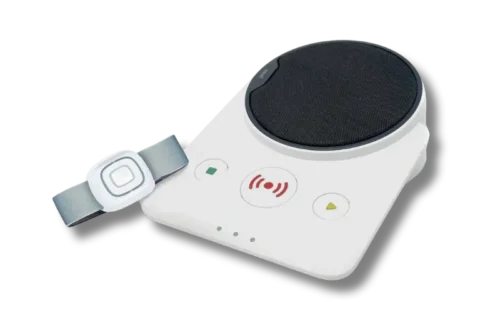
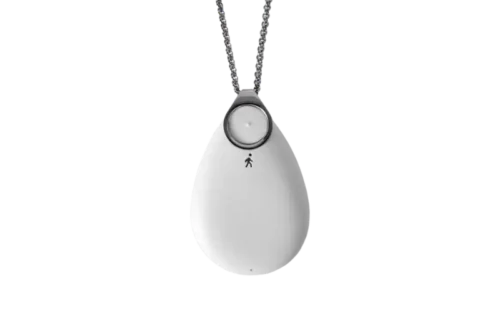
With a personal alarm service installed at home, a person can simply reach for their pendant at the first sign of an attack and call for help immediately. A personal alarm from Telecare24 is a very cost-effective way to provide this peace of mind, which goes a long way in reducing further stress and therefore reducing the risk of PTSD.
Thank you for reading this article. We hope you find it helpful. For more useful information like the ones in this article, check out our blogs.