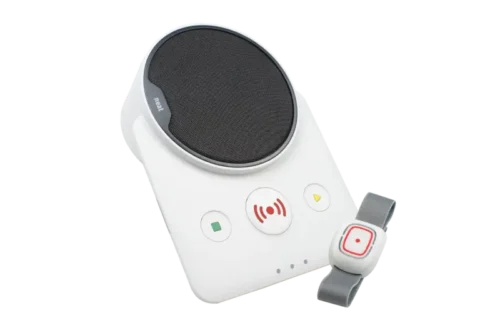
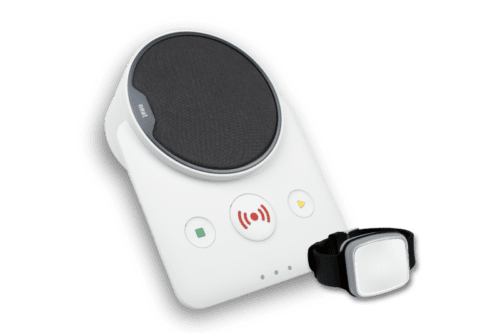
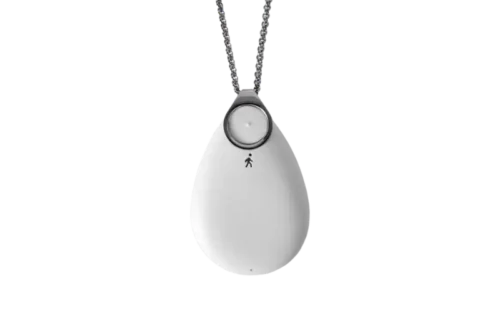

-
Personal Alarms
-
Features
-
 24/7 Careline Service
There for you 24 hours a day, seven days a week.
-
Automatic Fall Detection
Ideal for people who have fallen before or are at risk of falling.
-
Reassurance in Later Life
Peace of mind for older adults and their loved ones.
-
Comfortable Pendant Alarms
Alarms worn around the neck that are comfy and discreet.
-
Digital Personal Alarms
No telephone line required.
-
Panic Buttons
Push a button to get help. Available on all plans.
-
Water-resistant Wearables
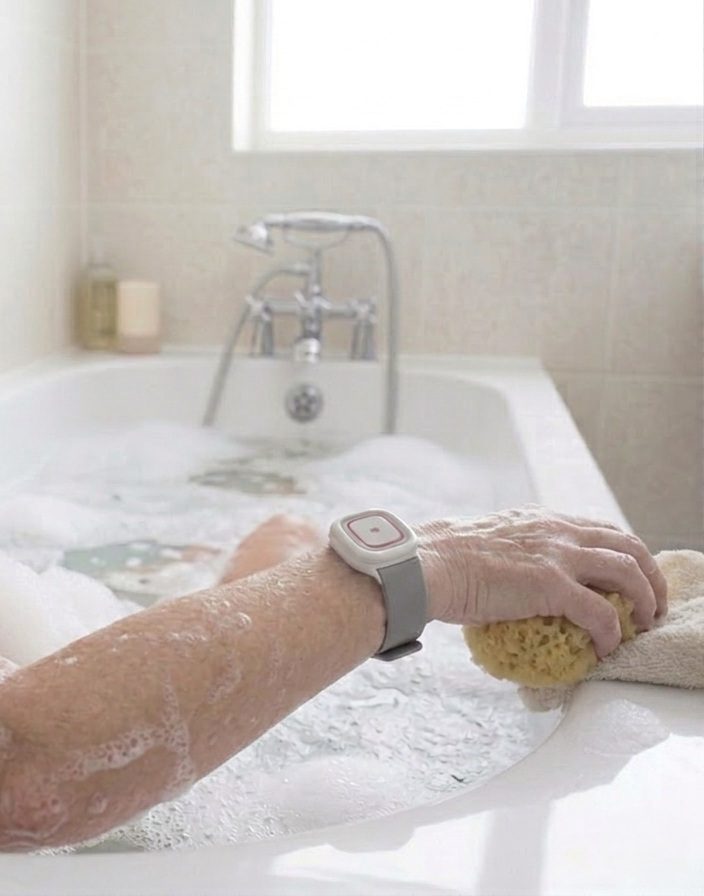
All of our wearables are IP67 rated and are suitable for use in the bath and shower.
-
-
Why Choose Us
-
 Who are Telecare24?
Learn why you should put your trust in the only service recommended by TV's Dr Hilary Jones.
-
Our Mission & Values
Read more about what drives us to help our customers and their loved ones live worry-free.
-
Meet the Team
Meet some of the people who help to make us a great telecare service.
-
-
Resources & Support
-
The Digital Switchover
Learn more about the UK's big digital switchover and what it means for telecare users.
-
Key Safes
Allow access to your home when you need help. Ideal for people without keyholders living nearby.
-
VAT Exemption
Learn more about VAT exemption and how you can save 20% when you order a Telecare24 alarm.
-
Video Library
Home to a collection of videos, including advisory videos, produced by Telecare24.
-
- Free Info Pack
- View Plans











Waterproof Medical Alert Systems
IP Ratings, Real-World Guidance, and Safest Wearing Tips
If you need a medical alert system for use in the bathroom, it’s important to choose one that will continue to work safely and reliably in wet conditions.
This is because nearly 30% of individuals aged 65 and older fall each year, and many of those falls occur in wet bathrooms, where assistance must arrive quickly.
In the UK, the safest way to get a shower-suitable medical alert system is to choose a monitoring provider like us and confirm the wearable’s IP rating (ideally IP67 or IP68) before wearing it in the shower or bath.
This guide explains exactly what those ratings mean in your bathroom, which wearing methods prevent slips and tangles, and how to test your alarm so it actually works when you need it most.
All Telecare24 wearables are safe for bath and shower use.
View water-resistant alarmsCan I wear a medical alert pendant in the shower or bath?

Water-Resistant vs Waterproof vs Showerproof and Why the Wording Matters
If a listing doesn’t show an IP rating, treat ‘waterproof’ as unverified marketing, as retailers and manufacturers can often use vague language to make devices sound safer than they are.
Here is what each term usually means:
| What it usually means | Safe in shower/bath? | |
|---|---|---|
| Water-resistant | Light splashes and shallow, temporary immersion only | Yes, so long as it is not submerged in water more than 1 metre deep for over 30 minutes. |
| Showerproof | Ambiguous unless tied to an IP rating | Only if IP stated |
| Waterproof | Conditional: seals age, buttons wear, misuse voids warranty | Only if IP67/IP68 |
Water-resistant means the device can tolerate some moisture, but it is not necessarily designed for running water or deep immersion. A water-resistant pendant will survive a splash from the tap or shower, and it will be fine to wear in the bath so long as it is not submerged underwater for more than 30 minutes. In bathroom safety, the IP rating matters more than the word ‘showerproof’ on the box.
‘Showerproof’ sounds reassuring, but it is not a technical standard. Instead, look for an IP rating and manufacturer’s limits. A study of personal alarm users found that 83% of people who fell while alone didn’t press their alarm. That’s why “showerproof” wording isn’t enough; you want a device you’ll genuinely keep on.
For more context on pendant versus wrist options, read this pendant alarm guide.
Where can I find a shower-suitable wearable?
All of our wearables are IP67-rated, making them suitable for use in the bath and shower.
Visit the Telecare24 FAQs for quick reassurance about common concerns.
IP Ratings Explained for Showers and Baths
Showers can be harsh, with hot water, soap, and strong jets hitting the device directly. Baths are different because the wearable may be briefly submerged.
For bath or shower wear, look for IP67 or IP68 on the wearable whenever possible. That single rule covers most UK bathrooms.
Now, here is what those numbers actually mean:
- IP rating: A two-digit ingress protection code that tells you how well a device is sealed against solids (first digit) and water (second digit). The first digit runs from 0 (no protection) to 6 (dust-tight). The second digit runs from 0 to 9, with higher numbers meaning better water protection. Some devices show IPX7, where the X means dust protection was not tested.
- IP67: Means the device is dust-tight (6) and tested to withstand temporary immersion in water up to 1 metre for up to 30 minutes under standard conditions (7). It’s the common industry-standard rating for shower-suitable wearables, but you should still follow the maker’s limits for depth, time, and water temperature.
- IP68: Covers immersion too, but the exact depth and duration are set by the manufacturer and can vary by device. For a bathroom wearable, IP67 or IP68 is the simplest shorthand that the device is appropriately designed for the kind of water exposure that is typical for a shower or a bath. Always check the manufacturer’s limits.
| What it protects against | Typical bathroom suitability | Practical caveats | |
|---|---|---|---|
| IPX4 | Splashes from any direction | Light bathroom use (sink area) | Not reliable for shower jets or bath immersion |
| IPX7 | Immersion in water up to 1m deep for no more than 30 minutes | Suitable for showers and bath immersion | Follow time and temperature limits; hot water can affect seals |
| IP67 | Dust-tight + immersion in water up to 1m for 30 minutes | Suitable for showers and baths | Follow manufacturer guidance; dropping the device can compromise seals |
| IP68 | Dust-tight + continuous immersion (manufacturer-specified) | Best for baths and wet rooms | Follow manufacturer guidance; dropping the device can compromise seals |
Remember, because falls are common, especially in the bathroom, the real priority is choosing a device you’ll keep on, so you can call for help quickly if you need it.
Learn more about modern systems and digital personal alarms here.
Real-World Bathroom Stressors That Can Defeat Waterproof Claims
Bathrooms are harsher than people think: it’s not just water. It’s heat + soap + time.
Even with IP67 or IP68, treat a pendant as a sealed electronic device: avoid harsh cleaners, check it after drops, and follow the manufacturer’s immersion limits.
| Risk | What to do (Telecare24 guidance) | |
|---|---|---|
| Steam and condensation | Can creep into weak seals over the years | Inspect pendant regularly; replace if you see fogging inside the case |
| Soap/shampoo residue | Makes buttons slippery; reduces tactile feedback | Rinse with clean water after use; gentle wipe with soft cloth (no solvents) |
| Hot water + knocks | Dropping the pendant can compromise seals | Inspect after impacts; test the alarm; contact us if unsure |
| Aerosols/cleaners | Bleach and abrasives can damage plastic and seals | Avoid harsh cleaners unless manufacturer-approved |
The wet zone is the area where running water or direct splashes are likely (inside the shower, near taps, and the bath rim). Keep non-waterproof equipment outside this zone. Your base unit or charger must sit in a hallway, living room, bedroom, or other dry location, as steam travels. Placing electronics on a bathroom shelf is risky, even if the shelf stays dry.
Almost 75% of users purchased a medical alert system after a fall or medical emergency. Protecting your device protects your safety; visit our test your personal alarm page for a weekly and monthly test routine.
Need a reliable alarm for the bathroom?
Our wearable telecare alarms are all designed to be usable in the bathroom.
Safest Wearing Tips for Shower and Bath
The best option is the one you will wear every time you bathe. Comfort determines compliance, and an unworn alarm provides zero peace of mind.
Here are some top tips on how to wear it safely.
| Wrist | Neck | Best for | |
|---|---|---|---|
| Ease of pressing with wet hands | Excellent (accessible at arm height) | Good (must reach up to chest) | Wrist |
| Risk of swinging/snagging | Low (strapped to wrist) | Higher (long cord can tangle) | Wrist |
| Breakaway safety feature | Not applicable | Essential (use breakaway lanyard) | Neck (with breakaway) |
| Comfort for extended wear | Depends on strap fit | Depends on cord length and weight | Personal preference |
Wrist wear is often easiest to press with wet hands, and there is less risk of the pendant swinging. Ensure the strap fit is snug but comfortable, and check that the button face is accessible when your arm is bent or extended.
Alternatively, neck wear is kept high on the chest for reach. A breakaway safety lanyard is preferable, avoiding long cords that could snag on taps, handles, or shower fixtures. This is critical in the bath or shower, where a trapped cord could cause panic or injury.
Bath-specific caution: Avoid any setup where the pendant could get trapped under your body or tangled against taps or bath handles. We also recommend you sit upright when testing reach.
For people with dexterity challenges, our personal alarms have a bigger button with tactile feedback and a simple press action. For more context on simple SOS press behaviour, see panic button alarms.
What to Check Before You Buy
Print this checklist or keep it open while you compare options. If you want safety everywhere, including the bathroom, choose a system that is both water-rated and simple enough to use with wet hands.
Buyer checklist:
- Confirm wearable IP rating in writing (ask for the specific rating and what it covers)
- Confirm how calls are handled – 24/7 monitoring vs family-only notification. Ideally, you want a monitoring personal alarm with 24/7 response, as this connects you to a staffed response team whenever you press the button, not just a notification to family. It can be especially important at night, or any time loved ones are unavailable
- Confirm the range in the home, especially to the bathroom, and how to perform a range test
- Battery and charging expectations (avoid a system that must be removed daily)
- Accessories: spare pendant, wrist straps, breakaway lanyard, and optional fall detection
Must-have vs nice-to-have:
| Must have | Nice-to-have |
|---|---|
| IP67 or IP68 wearable | Fall detection (useful but not guaranteed) |
| 24/7 monitoring by trained staff | GPS tracking for outdoor use |
| Spare wearable | Dropping the pendant can compromise seals |
| Reliable range (tested before relying on it) | Breakaway lanyard and wrist strap options |
Patients and professionals value real-time monitoring and alerts, so ensure you choose a provider that can confirm these capabilities before purchase.
Compare our plans to see in-home versus on-the-go options.
Stay safe where slips are most likely.
Browse our bathroom-friendly personal alarms.
How to Choose a Shower-Safe Waterproof Medical Alert System in the UK
You have three main routes to getting help in the bathroom:
- Professional monitoring provider (Telecare24-style)
- Retail caregiver pager kits
- Wi-Fi/app buttons
Here is how to evaluate each option.
| Who it suits | Pros | Limitations | Best for bathroom risk? | |
|---|---|---|---|---|
| Monitoring service (Telecare24) | Older adults living alone or with high fall risk | 24/7 staffed response; no reliance on family; dual connectivity | N/A | Yes |
| Retail caregiver pager kit | Households with a live-in carer or family | Low cost; no monthly fee | Short indoor range; no help if family are out or asleep; no professional response | No (supplementary only) |
| Wi-Fi/app button | Tech-comfortable users with reliable broadband | Can notify multiple family phones | Depends on internet, router power, and family seeing phone notifications | No (supplementary only) |
How Telecare24 meets the checklist:
- IP rating clarity: All our pendants and wrist devices carry an IP67 rating.
- Response pathway: 24/7 monitoring by trained UK-based staff who can contact emergency services, family, or neighbours as needed.
- Wearability in wet environments: Wrist and neck options available. Suitable for shower and bath use when worn correctly.
- Seamless connectivity: With our two in-home plans (pendant and fall), wearable devices connect wirelessly to the alarm base unit. When the wearable devices are triggered, a signal is sent to the base unit, which then connects to our 24/7 monitoring team via mobile networks/broadband. Our GO Active! GPS Alarm offers unlimited range.
- Power/internet independence: Our pendant and fall alarms feature dual connectivity with broadband and mobile backup, ensuring they continue to work during power cuts and internet outages, keeping you connected at all times.
- Set up and support: Encourage customers to confirm bathroom suitability before purchase. Contact us to speak to an advisor and discuss your needs.
In the UK, the most reliable shower-use setup is a waterproof wearable plus a professionally monitored response pathway, so help is available even if family members are asleep or out. This is especially true for higher-risk users (older adults living alone).
Speed matters, and professional monitoring delivers it.
How to Set Up and Test Your Alarm So It Works from the Bathroom
We believe setting up and testing your medical alert system should be a stress-free experience. You can follow this step-by-step guide to get up and running.
Four-step setup and test:
- Place the base unit or receiver in its intended location: Outside the wet zone, ideally central to the home. For digital alarms using mobile networks, placement near a window may improve the signal.
- Perform a test call or alert from three locations: Inside the shower, sitting in the bath, and standing in the bathroom doorway. Press the button and wait for confirmation (voice response or light/sound signal).Note: For in-home plans, it’s possible you might not clearly hear the voice response coming from the base unit. This isn’t an issue for the GO Active! device.
- Test with wet hands to simulate realistic conditions: Can you find and press the button easily? Is the tactile feedback clear?
- Record results on a simple checklist and keep it near the base unit or in a drawer: Repeat this monthly or after any equipment move.
Real-time alerts are valued by patients and professionals, and testing ensures your system delivers those alerts when needed. For urgent safety needs, we offer next working day delivery.
Top tip: Keep a testing checklist handy for routine checks.
Looking for a shower-safe telecare alarm?
All of our wearables are IP67-rated, making them safe to use in the bath and shower.
Recommended Telecare24 Routes: Most Suitable for Shower and Bath Risk
Unsure which waterproof medical alert system to choose? This section provides peace of mind by mapping common needs to our different plan pathways and support.
Recommended Telecare24 route | Includes | |
|---|---|---|
| Bathroom falls risk, living at home | Digital Pendant Alarm plan | Water-resistant wearable, 24/7 monitoring, works without a landline |
| High fall risk, mobility challenges | Includes everything the pendant alarm does, plus automatic fall detection and a manual SOS button. | |
| Bathroom risk plus outdoor/travel needs | GPS Alarm plan | Mobile coverage at home and outside; water-resistant wearable |
Who benefits from professional monitoring?
Those living alone, at higher fall risk, or with unreliable family availability. If family members are at work during the day or live far away, professional monitoring ensures someone trained answers every call.
For most UK households, choosing us is the simplest way to get a monitoring personal alarm and confirm bathroom suitability before you rely on it. Plus, digital alarms do not depend on landlines, which matters as the UK moves away from analogue phone lines.
Frequently Asked Questions
For shower use, an IP67 or IP68-rated wearable is usually the safest choice, because it’s designed for heavy water exposure rather than light splashes. Manufacturer limits still apply (depth, time, and temperature), so confirm the rating before you purchase.
Remember to check with the provider for the specific IP rating of the wearable and what conditions it covers. Some providers quote IP67 or IP68 for their pendants.
An IP67 rating is more than enough for the bath or shower, as household baths are well under 1 meter deep and 30 minutes is plenty of time for a wash for most people.
Safe wearing matters too: use a wrist strap or short breakaway lanyard to prevent the pendant from getting trapped under your body or tangled on taps. If bathing is your main risk, confirm the IP rating and wear method before relying on it.
Absolutely not. The wearable may be waterproof, but the base unit or charger is typically not and should stay outside the bathroom’s wet zone. Steam and splashes can damage electronics even if the unit sits on a shelf.
Place the base unit in a hallway, bedroom, or other dry location. Do a bathroom range test to confirm the signal reaches the shower and bath. Move the base unit closer if needed, but keep it dry.
A monitoring alarm connects you to a staffed response team 24/7, while a Wi-Fi button typically sends notifications to phones and depends on internet, power, and someone seeing the alert.
Monitoring alarms work during power cuts and do not rely on family availability. Wi-Fi buttons are useful as supplementary alerts but risky as the sole system for high-risk users.
Choose monitoring alarms for older adults living alone or with a serious fall risk. Choose Wi-Fi buttons for tech-comfortable households with reliable broadband and a live-in family.
Not always. One study found 24% of participants never wear their alarm button at all, which is why comfort and habit matter as much as waterproofing. If bathing is a risk, choose a wearable you will keep on every day.
Habit tips: Keep it on your wrist (not your bedside table), and set a monthly test routine. Test with wet hands in the shower to confirm you can press the button easily if you need to. An unworn alarm provides zero help.
No, fall detection can help, but it is not guaranteed, so a waterproof SOS button you can press remains essential. Slips in the bath or slow slides down the shower wall may not trigger automatic detection.
A combined approach works best: a wearable SOS button, 24/7 monitoring, and a safe bathing setup (grab rails, non-slip mat, and someone knowing you are bathing). Treat fall detection as a backup, not a replacement for a manual button.
You can get a shower-suitable medical alert system in the UK through a monitoring provider like Telecare24. Just confirm the wearable’s IP rating and that it’s approved for shower or bath wear. Alternatives include retail pager kits (short range, no professional response) and Wi-Fi buttons (depend on internet and family notifications).
For higher-risk users, monitoring services are the safest choice. Speak to us to confirm bathroom suitability and the IP rating of the wearable offered with your plan.
Conclusion
Bathroom falls are common, and the speed of response matters. A waterproof medical alert system only helps if:
- The wearable has the right IP rating
- You wear it every time you bathe
- The signal reaches your bathroom
IP67 or IP68 is the simplest shorthand for shower and bath suitability. Confirm the rating in writing and ensure you test from the shower and bath on day one (repeat monthly).
We offer monitoring personal alarms designed for UK homes. If shower or bath safety is your priority, we can help you choose the right monitoring personal alarm and confirm the wearable’s IP rating before you rely on it.
Compare Telecare24 plans or speak to our team for a quick bathroom-suitability check.
References
- Emerging Digital Technologies Used for Fall Detection in Older Adults – Nearly 30% of individuals aged 65 and older fall each year; bathroom risk context and need for rapid help
- Sensor-based prevention of falls and pressure ulcers – Patients and health professionals value real-time monitoring, alerts, and fluent integration into daily life and care
- The Best Medical Alert Systems in 2026 – About 75% of respondents decided to buy a device after a fall or medical emergency


You are about to leave the Telecare24 website.
This link will open an external site in a new tab.
Please note that we are not responsible for the content or privacy practices of external websites.