










A quick glance at recent studies reveals that divorce rates are decreasing, particularly in Western nations such as the UK and the US.
At first, this might seem like good news. However, a closer look shows that these seemingly promising statistics are not due to an increase in happy marriages, but rather a rise in singlehood.
Today, fewer people are choosing to marry. As divorce rates have declined, so too have marriage rates. Why? Popular opinion is that financial independence is more attainable now than it was in the past, especially for women.
Obstacles in the workplace for women have decreased thanks to legislative action, changes in corporate policies, and the introduction of flexible working hours. Hybrid and remote working has allowed many to pursue careers they previously couldn’t. The more somebody can support themselves financially, the less likely they are to seek out or rely on a partner. While these statements seem largely associated with the younger generation, the number of older individuals currently living alone is also on the rise.
When we associate older individuals with living alone, we often jump to the conclusion that they have lost their partner in death. However, figures show that divorce rates among adults aged 50 and over have doubled between 1990 and 2010. Today, over one-third of divorces are by people aged 50 or older. This is now commonly referred to as “grey divorce”.
Grey Divorce on The Rise, Why?
The rise of grey divorce isn’t down to any one specific thing; every marriage is unique, and each couple faces its own set of challenges. However, research reveals that a common contributor to grey divorce is the shift in family dynamics after children leave home. This is sometimes referred to as “Empty Nest Syndrome”.
Many couples spend years focused on shared goals such as raising children, caring for a home and managing busy work schedules. As children move out and retirement approaches, many couples are left feeling like strangers, unable to connect beyond their roles as parents.
If such feelings are allowed to continue, it’s only natural that couples ‘grow apart’. With this strained dynamic, coupled with deteriorating health and the increased cost of living, it is no surprise that such marriages are put under stress.
We mentioned earlier that fewer people today are getting married. This increasing acceptance of singlehood may also be influencing divorce rates later in life. Many older adults were actively encouraged to marry young and have children; that was the societal norm.
But today things are changing; in England and Wales, singlehood now represents the majority, with over 28.9 million people identifying as single compared to 24 million who are married (according to reports from 2022). As a result, older ones may be tempted to live out their remaining years regaining their independence, perhaps feeling like they missed out by marrying young.
The Financial Consequences
Of course, all divorces come with their financial consequences. However, for those getting divorced later in life, the financial repercussions can be life-changing.
For example, dividing assets later in life often involves splitting long-term investments and pensions, which can reduce each person’s retirement fund. And since most of those getting a grey divorce only have a few years left in the workplace, it’s difficult for them to earn back what they’ve lost.

During a divorce, the family home is typically sold, or one partner buys the other’s share. It is more challenging, though, to obtain a mortgage later in life due to reduced income and age restrictions. Many mortgage companies will offer short-term mortgages (10-15 years) to older individuals, but these result in higher, more costly monthly payments.
Even just the shift to handling finances on your own after years of support from your partner can be a difficult adjustment, not to mention the higher cost of living as a single person.
All these financial factors, and more, should be thoroughly considered with the help of a financial advisor, preferably one who specialises in grey divorce. They can offer you personalised support and advice to help you reach a fair outcome.
Adjusting to Life After Divorce
Divorce takes a great emotional toll, even when it is wanted. While focusing on your emotional well-being, practical matters may suffer. And that’s normal, your life has changed, and it may take a while to find your footing again.
For example, your daily routine will likely change after a divorce, especially if you’ve moved house in the process. Suddenly, it’s up to you to make all the decisions around the house. There’s nobody around to give you cues for cooking meals, taking medication, and paying bills, etc.
We’re not implying that these things can’t be done alone, but when you’ve spent years having somebody around to help you, even seemingly minor matters can easily become overwhelming. What can help you navigate this new chapter?
Firstly, allow yourself time to process the change. It’s normal to experience a range of emotions after any life-changing event. Just because you’re single again, it doesn’t mean you have to go through it alone.
Make time to regularly speak with your friends and family, and seek them out when you feel overwhelmed by your new circumstances. It’s natural to have bad days; try not to be too hard on yourself when they happen. However, if negative feelings persist, you should reach out to your GP for further support.
Dealing with big changes can feel exhausting. Naturally, you might feel the need to rest more, which isn’t necessarily bad.
You should listen to your body when it needs rest. However, it doesn’t take long to develop bad habits and skip exercise altogether. It’s important to continue looking after your physical health, so that you have the strength and mobility to enjoy your freedom without relying on anyone else.
To ease back into a good routine, focus on low-impact activities such as walking or swimming to protect your joints. You could even join a fitness class, as this will not only help with your physical health but also keep you active socially.

Interacting with others can be really beneficial for your mental health. Older individuals are already more prone to loneliness for reasons such as poor health or a lack of interaction with colleagues due to retirement. If you now also have to deal with living alone for the first time, it’s more important than ever to boost your social life.
There are many programmes aimed at helping older people to stay connected with their community, such as exercise groups, movie screenings for seniors, befriending services and more. To find out more, please take a look at our blog 8 Ways To Thrive Socially as an Older Person.
We all have days when we don’t feel like socialising, though. On days like these, use your newfound freedom to pick up an old hobby. Even better if it’s something creative.
Creativity is proven to help you relax and lift your mood. You could also use your time alone to meal prep. Many people find it hard to cook for just themselves, especially after years of cooking for more. However, if you’re used to cooking for a family, why stop?
You can still cook in large amounts as you did before, setting aside portions for the next day or freezing them for when you don’t feel like cooking. This is a practical way to save time, energy and money, which is all the more important if your income has taken a hit following a divorce.

Speaking of income, if you’re struggling to make ends meet on your own, you may be entitled to financial help.
If you’re over the State Pension age and on a low income, you may be eligible to receive help with your living costs through Pension Credit. Further, if you’re eligible for Pension Credit, you can also get help with NHS dental treatment, glasses, heating your home and more. To find out what you’re eligible for, you can use AgeUK’s online Benefits Calculator or visit GOV.UK.
We hope that the advice provided here will help to minimise the fallout of divorce. However, even with the best of intentions, you may still suffer unavoidable consequences. Research suggests that the stress and trauma of a “grey divorce” can sometimes be linked to the onset of cognitive impairment, particularly in women.
If you’re taking steps to look after your physical and mental well-being, hopefully, such cognitive decline will be mild. Even so, it remains important to be aware of the risks. In older adults, cognitive decline often manifests as physical issues such as poor balance and reduced mobility.
With this in mind, and the fact that divorce often leads to physical isolation, grey divorce may actually increase the risk of falling. So, if you find that these life changes have affected your mobility or if you are simply spending more time alone, having a safety plan can offer significant reassurance and peace of mind.
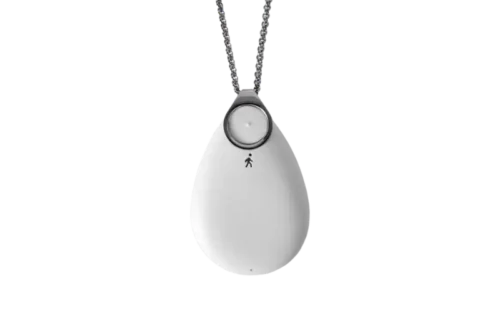
A personal alarm is one way to ensure that help is always there if you ever experience a fall or an emergency.
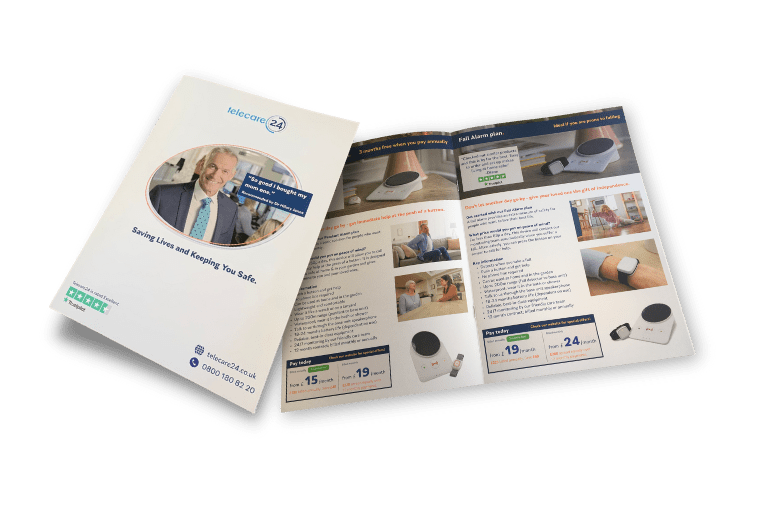
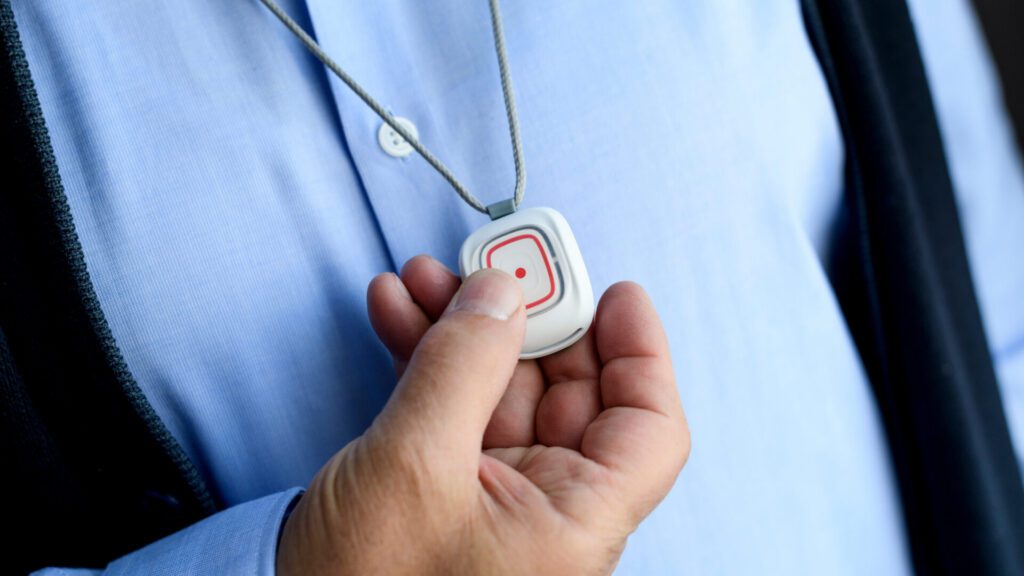 Having such an alarm not only provides you and your family with great peace of mind but also helps you to maintain your independence during this new stage in your life. To find out more about personal alarms and how they can help you, you can request a free info pack or explore our range of alarms online.
In conclusion, whether you’ve chosen single life or been thrust into it, the adjustment period may be difficult. However, with more emphasis on personal fulfilment and increased independence, singlehood is no longer equated with loneliness. Let this be the start of a new chapter of life that truly represents you.